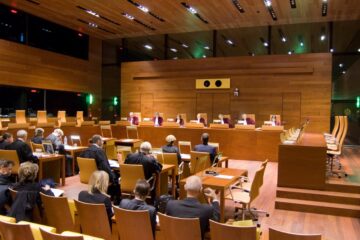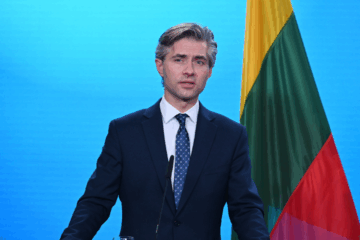

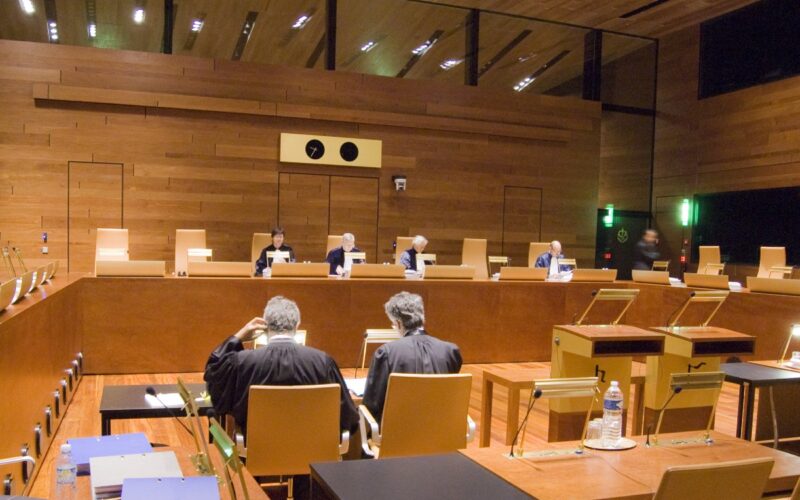
The Court of the European Union refused to lift sanctions against the former president of Ukraine, as well as a Russian billionaire.
On September 10, the European Court of Justice rejected the claims of Viktor Yanukovych and his son for the lifting of EU sanctions.
In the court, lawyers for Yanukovych denied his involvement in a Russian operation aimed at replacing Zelenskyy as president of Ukraine. The court considered new evidence presented by the European Union Council, which confirmed Yanukovych’s involvement in plans to replace Zelenskyy with the support of the Russian authorities in early March 2022. These actions were serious threats to Ukraine’s sovereignty and independence, and they indicate Yanukovych’s continued proximity to Russian politics.
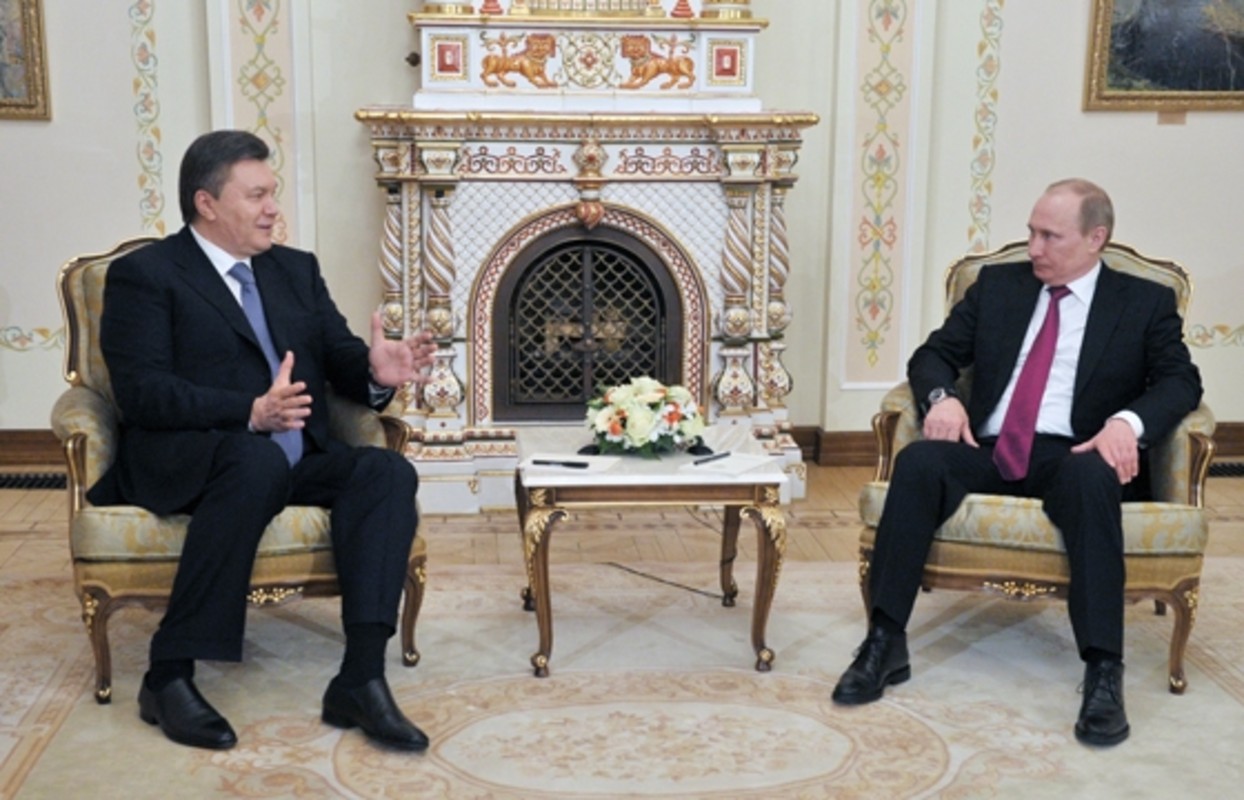
The court also rejected a claim to lift sanctions against Viktor Yanukovych’s son, Alexander (Oleksandr Viktorovych Yanukovych), who lives in St. Petersburg (Russia). The court’s materials say that Alexander Yanukovych “petitioned and obtained the transfer of his company’s head office under the jurisdiction of the Donetsk People’s Republic.”
In addition to the claims of the former president of Ukraine and his son, the European Court of Justice also ruled on September 10 in the case of billionaire Roman Abramovich, who holds citizenship of Russia, Israel and Portugal. The court refused to satisfy the businessman’s demands for the lifting of sanctions.
The European Union imposed sanctions against the businessman in 2022, justifying them by the fact that Roman Abramovich has close ties with Russian President Vladimir Putin and is a major shareholder of the Evraz metallurgical group, one of Russia’s largest taxpayers.
In court, Abramovich’s lawyers pointed out that, “firstly, the government of the Russian Federation no longer had any influence on his assets, as in 2005, he sold his shares in Sibneft and transferred most of his funds to European Union countries. Secondly, he had no influence over the government of Russia.”
It was also stated that the businessman’s stake in Evraz did not allow him to actively participate in its operations. However, this argument was challenged in court. Although the applicant claimed that such a small stake did not give him the authority to determine or control the company’s actions, it was generally recognized that he was not only one of its largest shareholders, but also the main one, given his share.