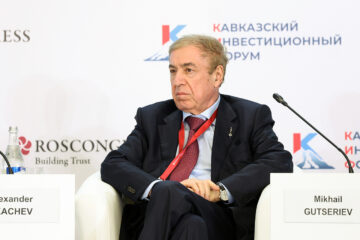

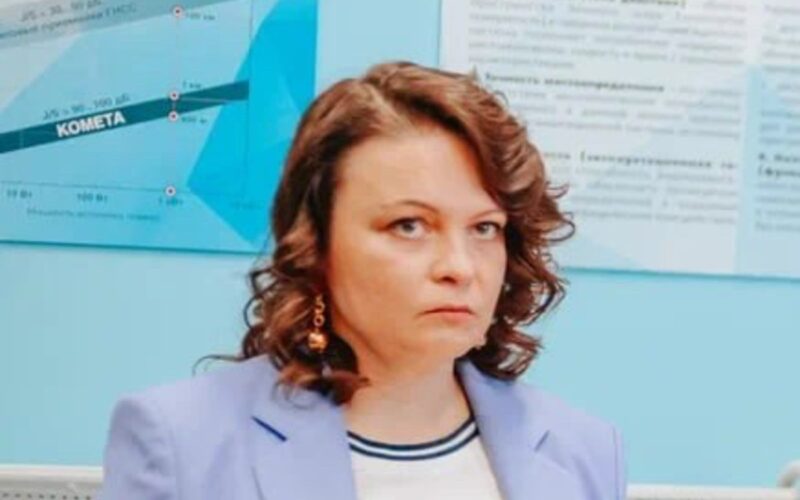
On July 17, 2026, the Council of the European Union imposed restrictive measures against one individual and five organizations linked to the Russian defense industrial base, specifically targeting the ABS Electro Group of companies for its role in developing and manufacturing electronic and radio-electronic components essential for drone warfare.
In a statement, the Council said:
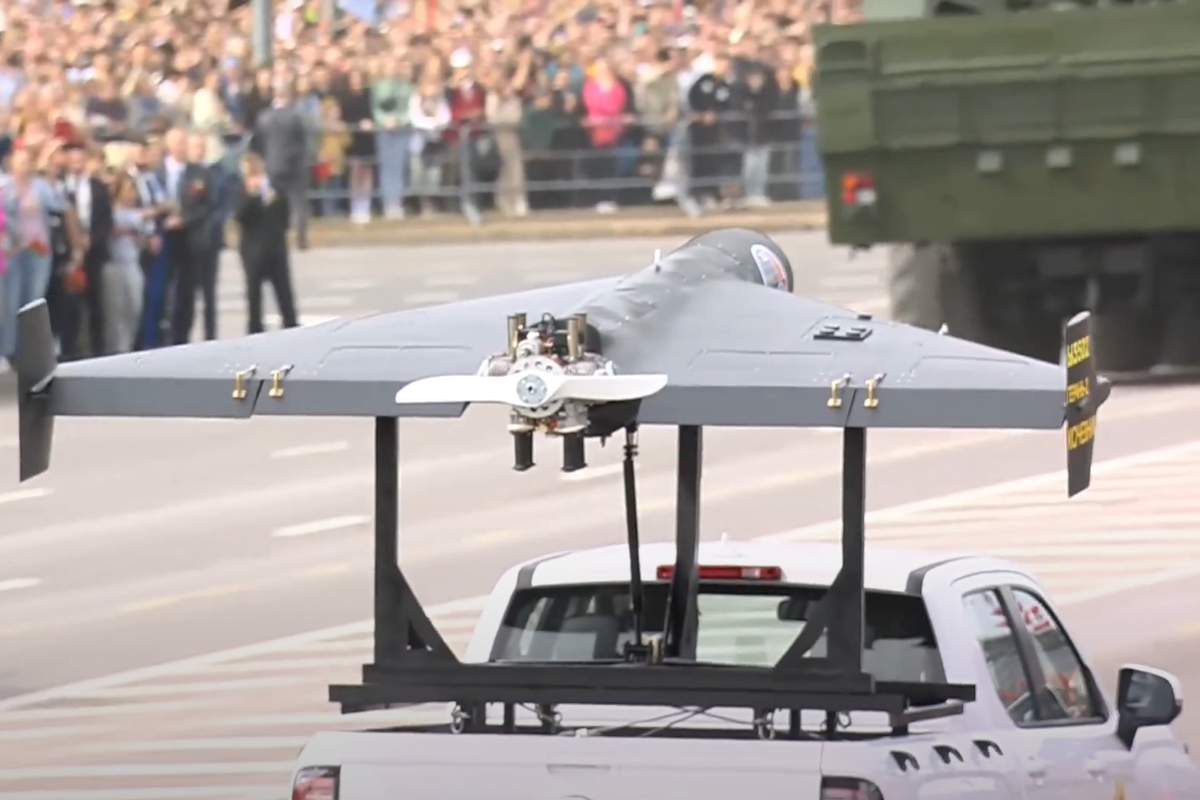
“All of the five listed entities are part of the ABS Electro Group of companies, which develops and manufactures electronic and radio-electronic components needed for drone warfare. Notably, these entities contribute to the development of systems which enhance the capacity of Russian Unmanned Aerial Vehicles – such as Shahed and Geran type drones – by increasing their resistance against electronic warfare. Additionally, several companies produce automated control systems for the Russian energy sector, which provides a substantial source of revenue to the Russian government. The listed individual is Irina Kharisova, the Chairman of the Board of ABS Electro group of companies, and the Director of several companies that are part of this group.”
Sanctioned Entities and Individual
The following Russian legal entities have been added to the EU sanctions list:
| Entity Name (Russian) | Entity Name (English) |
|---|---|
| АО «АБС ЗЭИМ Автоматизация» | JSC ABS ZEIM Automation |
| ООО «Ассет Автоматизация» | Asset Automation LLC |
| ОАО «Всероссийский научно-исследовательский, проектно-конструкторский и технологический институт релестроения с опытным производством» | Open Joint Stock Company All-Russian Scientific Research, Design and Technological Institute of Relay Construction with pilot production |
| ООО «Ассет Электро» | Asset Electro LLC |
| АО «Сокол Эссетс» | JSC Sokol Essets |
Irina Kharisova, the Chairman of the Board of the ABS Electro group and Director of several companies within the group, has also been designated under the sanctions regime. The restrictive measures include asset freezes and, where applicable, travel bans for the listed individual.
ABS Electro: A Key Supplier to Russia’s Drone Programme
The ABS Electro Group, headquartered in the Chuvashia region of Russia, has emerged as a critical supplier to Russia’s military-industrial complex, particularly in the field of unmanned aerial vehicles (UAVs). The company specializes in electronic and radio-electronic components that are vital to the operation and resilience of Russian drones, including Iranian-designed Shahed and domestically produced Geran types.
The EU’s designation highlights the group’s contribution to:
-
Developing systems that increase drone resistance against electronic warfare
-
Producing components that enhance UAV combat capabilities and survivability
-
Manufacturing automated control systems for the Russian energy sector, which generates substantial revenue for the Russian government
These automated control systems, while ostensibly civilian, provide indirect support to Russia’s war effort by sustaining the economic infrastructure that funds military operations. The EU’s decision to include energy-sector companies in the sanctions package reflects a broader strategy to sever Russia’s revenue streams that support its war against Ukraine.
Expansion Plans: St. Petersburg Plant
Despite the ongoing sanctions pressure, ABS Electro has continued its expansion. In 2025, the group announced plans to build a new plant for the production of radio-electronic products in St. Petersburg, Russia’s second-largest city. The facility represents a significant investment in Russia’s domestic electronics manufacturing capabilities and aligns with the Kremlin’s import substitution strategy, particularly for dual-use technologies that have both civilian and military applications.
At the time of the announcement, Irina Kharisova described the strategic importance of the project:
“Urban transport, trains and airplanes will be protected from interference and navigation failures, their location will be known at any given time.”
The St. Petersburg plant is expected to contribute to civilian infrastructure resilience in the first instance. However, given the group’s established role in drone electronics and the flexible nature of radio-electronic component manufacturing, the same production lines could conceivably be redirected toward military applications.